Jam Filling Machines FAQs
Straight answers to common questions about jam filling machines, including suitable applications, limitations and what to send us.
Useful answers about jam filling machines depend on your application, operating range and the results you need.
Your final jam filling machines scope must also account for cleaning, access and changeover method, finished-pack checks and reject handling, current regulations and the conditions at your site.
Get practical answers for your application — Jam Filling Machines
Plan jam filling machines around your product, pack range, target output, cleaning needs and finished-pack checks. Discuss a practical line concept with Lancing using representative samples. The answers below explain suitable applications for Jam Filling Machines, what information helps and what still needs an application-specific check.
Discuss your application
Practical answers about jam filling machines
How do we fill hot jam into jars at a controlled weight?
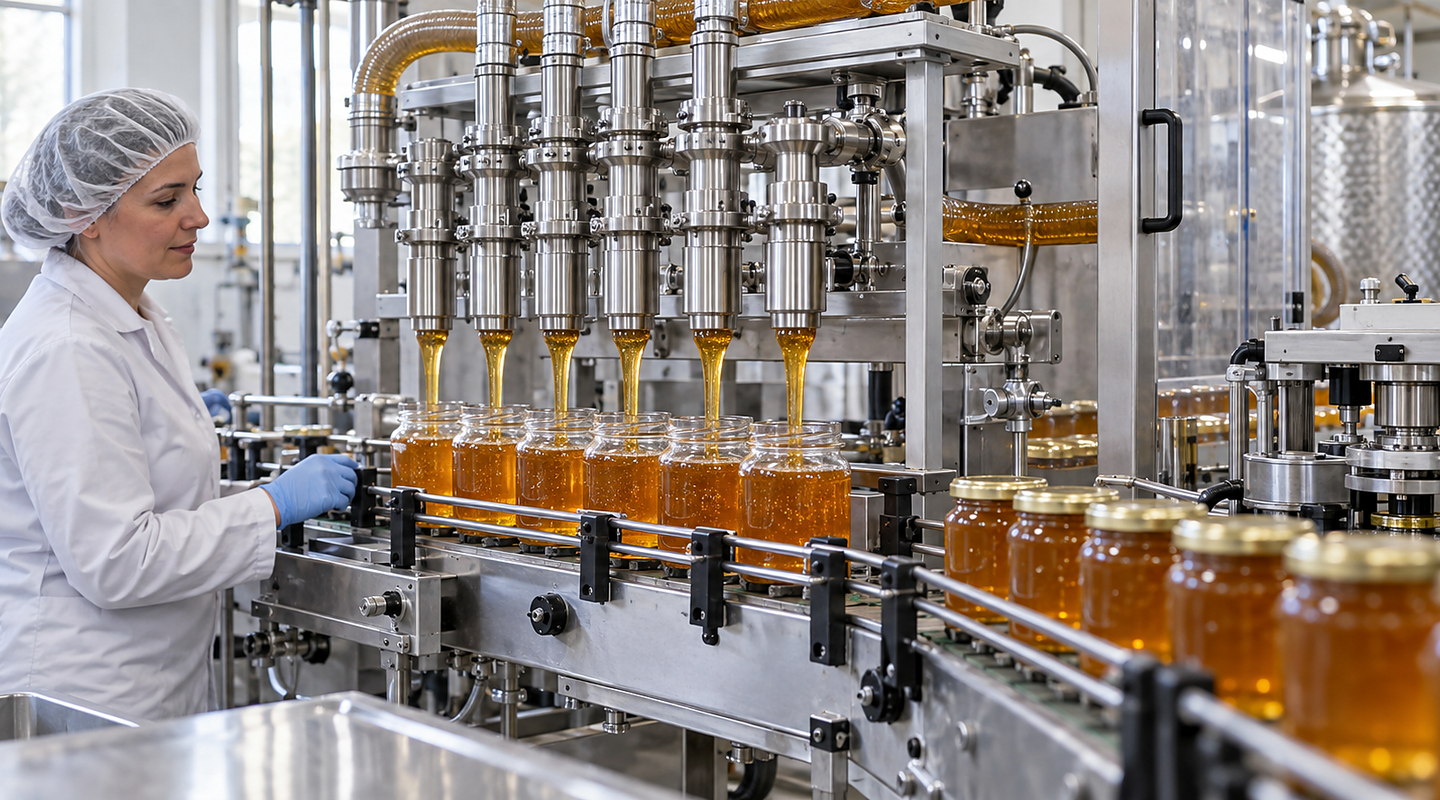
For jam filling machines, start with representative product and pack samples, target output and the finished-pack result you need. Compare the dosing, handling and closing route against jam & preserve jar filling product behaviour, container, bag or pack range and finished-pack checks and reject handling before the complete line is specified.
How should a project for jam filling machines begin?
Define the real duty and collect representative samples or observations. Record jam & preserve jar filling product behaviour, container, bag or pack range, and target dose, count or pack weight before choosing an approach.
Can you quote jam filling machines from a short description?
An early budget range may be possible, but a reliable scope for routine production using jam and preserve jar filling needs the product or part range, line connections, site conditions and your requirements for finished-pack checks and reject handling.
What information should we send about jam filling machines?
Share authorised drawings or photographs, representative examples from routine production using jam and preserve jar filling, current process data, your production pattern, available services, space and known safety or quality requirements.
How will performance be checked?
Use an agreed trial covering normal, difficult and fault conditions for routine production using jam and preserve jar filling. Judge the complete system using the agreed requirements for finished-pack checks and reject handling, not a catalogue maximum.
What are the main limitations?
Food-contact, hygiene and allergen controls must be validated for the actual product and site. The selected method must be trialled with representative product and packaging. Supplier tolerances and product-condition changes can alter handling or fill behaviour.
What alternatives should be considered for routine production using jam and preserve jar filling?
Compare semi-automatic equipment for lower-volume or high-changeover work with fully automatic line integration where repeatable container flow and rate justify it. For Jam Filling Machines, the practical option may be simpler than the most automated one.
Can the proposed solution guarantee regulatory compliance?
No solution can guarantee compliance on its own. Applicable law, current standards, risk assessment, validation and conformity responsibilities must be addressed for your complete application.
Who will handle my enquiry?
Lancing will receive enquiries from jamfillingmachines.co.uk. Call 01494 623015 or email sales@lancinguk.com to speak with the team directly.